

Understanding MarTech and Marketing Automation
The way businesses market themselves has changed a lot over the few years. They no longer just use ads, email campaigns or simple customer outreach. Today companies use digital tools to understand their customers engage with them better, automate tasks and create personalized experiences.
This change has led to the growth of Marketing Technology or MarTech and marketing automation. Many marketers, tech providers and business leaders talk about these terms. Some still get them mixed up.
A common question among businesses is:
What is the difference between Marketing Technology and Marketing Automation?
MarTech and marketing automation are. Serve different purposes. Marketing Technology is the picture. It’s the whole set of tools and platforms that help businesses manage their marketing. Marketing automation on the hand is about automating repetitive marketing tasks like email campaigns lead nurturing and customer segmentation.
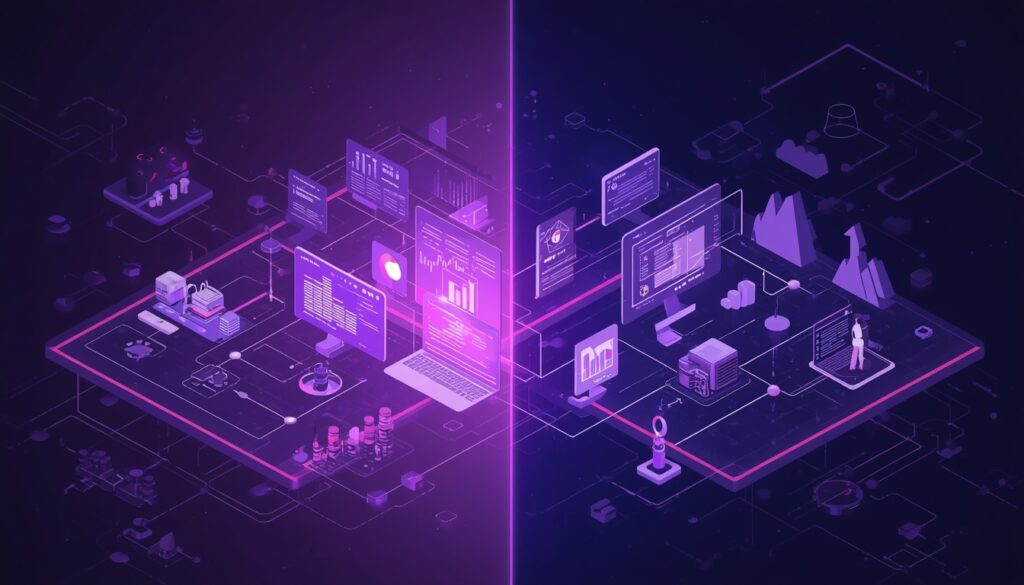
Knowing the difference between MarTech and marketing automation helps businesses choose the tools improve their marketing and build better relationships with their customers.
Businesses need more than technology. They need data, automation, analytics, intelligence and customer insights to create good marketing strategies.
Understanding MarTech and marketing automation is crucial for marketers who want to work efficiently and get better results. They need to know how MarTech and marketing automation work together to achieve their goals.
Marketing automation helps with tasks. MarTech is the ecosystem. Both are important, for businesses.
What Is Marketing Technology (MarTech)?
Marketing Technology, which people usually call MarTech is a bunch of software and tools that companies use to plan and do their marketing work. They also use it to measure how well their marketing is doing and to make it better.
Basically MarTech is all the technology that helps with modern marketing.
It has a lot of things like managing customer data and making content. It also has advertising platforms and tools to look at numbers and customer relationship management systems. Some companies even use intelligence.
A company uses different technologies together and these technologies help marketers understand customers and give them better experiences.
For example, a business may use:
- Customer relationship management (CRM) platforms to manage customer interactions
- Analytics tools to measure campaign performance
- Content management systems to publish marketing content
- Customer data platforms to organize customer information
- Advertising technology to optimize digital campaigns
- Artificial intelligence tools to improve personalization
Together, these solutions create a connected marketing environment where businesses can make smarter decisions based on real-time data.
Why Marketing Technology Has Become Important
Customer expectations have really changed a lot. People now want brands to give them experiences that feel for them suggest things that are relevant and talk to them quickly on different platforms.
For example a customer might find a brand on media check out its website get an offer by email talk to a chatbot and finally buy something through a mobile app.
Managing this entire customer journey requires advanced technology.
This is where marketing technology plays a major role.
MarTech helps businesses:
- Understand customer behavior
- Track marketing performance
- Improve campaign targeting
- Create personalized experiences
- Manage customer relationships
- Increase marketing efficiency
Without the right technology infrastructure, marketers often struggle to collect valuable insights and deliver consistent experiences across different channels.
Key Components of Marketing Technology
Marketing technology is a broad category that includes many different types of tools. Each technology serves a specific purpose within the marketing ecosystem.
Customer Relationship Management (CRM)
CRM platforms help businesses manage relationships with existing and potential customers.
These systems store important customer information, including:
- Contact details
- Purchase history
- Communication records
- Sales interactions
- Customer preferences
CRM technology allows marketing and sales teams to better understand customers and create more relevant engagement strategies.
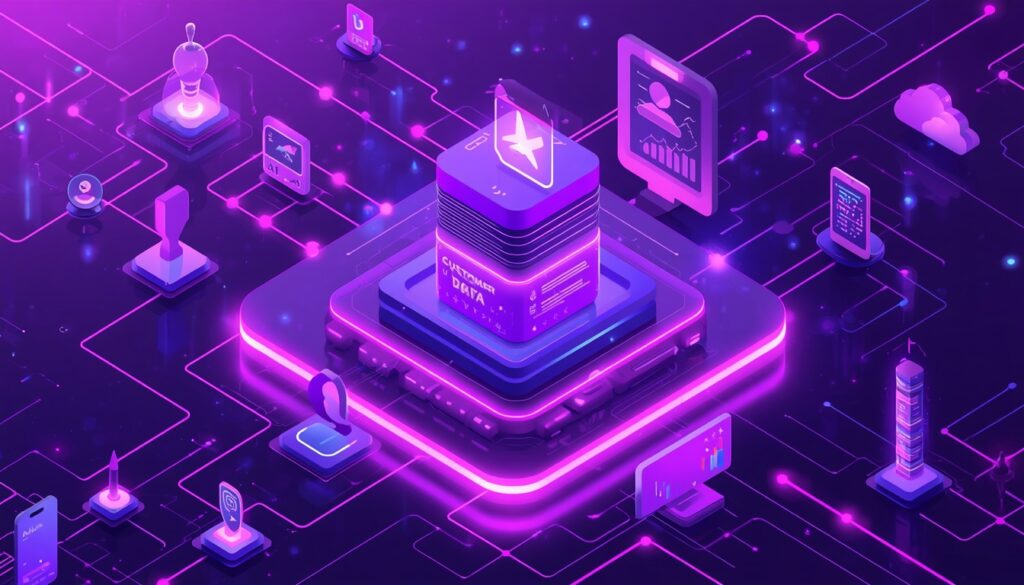
Customer Data Platforms (CDP)
Customer Data Platforms are really important for businesses now. They help businesses make their marketing more personal and use data to make decisions.
A Customer Data Platform collects information about customers from places. This helps make one profile of each customer.
For example, customer data may come from:
- Websites
- Mobile apps
- Email interactions
- Social media
- Purchase activities
By combining this information, businesses can understand customer behavior more accurately and deliver personalized experiences.
Marketing Analytics Tools
Marketing analytics tools help businesses see how well their marketing campaigns are doing.
Instead of making decisions based only on assumptions, marketers can analyze real data to understand:
- Which campaigns perform best
- Where customers come from
- Which channels generate results
- How customers interact with content
Analytics has become a critical part of modern marketing because businesses need measurable outcomes from their investments.
Artificial Intelligence in Marketing Technology
Artificial intelligence has become one of the biggest developments in the MarTech industry.
AI-powered marketing technology helps businesses automate analysis, improve personalization, and make better decisions.
Examples include:
- AI content recommendations
- Predictive customer insights
- Automated campaign optimization
- Customer behavior analysis
- AI-powered search and personalization
As AI continues to develop, it is becoming a core part of modern marketing technology strategies.
What Is Marketing Automation?
Marketing automation is the use of software to automate repetitive marketing tasks such as email campaigns, lead nurturing, customer segmentation, and follow-ups. It helps businesses save time, improve efficiency, and deliver personalized communication throughout the customer journey.
For example, when someone downloads an eBook, a marketing automation platform can automatically add them to the CRM, send a welcome email, recommend related content, score the lead, and notify the sales team when they’re ready to engage.
How Marketing Automation Works
Marketing automation uses customer data, triggers, and predefined workflows to deliver the right message at the right time. Triggers can include website visits, email clicks, form submissions, content downloads, purchases, or customer inactivity.
For instance, if a customer views a product but doesn’t complete the purchase, the system can automatically send a personalized follow-up email or product reminder, helping businesses stay engaged and increase conversion opportunities.
Common Uses of Marketing Automation
Marketing automation helps businesses streamline marketing activities, improve customer engagement, and deliver personalized experiences at every stage of the customer journey.
1. Email Marketing Automation
Businesses use automated emails for welcome messages, product updates, promotions, customer education, and re-engagement campaigns. Automation ensures the right message reaches the right audience based on their interests and behavior.
2. Lead Nurturing
Marketing automation guides prospects through the buying journey by sending relevant content based on their interactions, helping build trust and improve conversion rates.
3. Customer Segmentation
Automation groups customers by factors such as location, industry, purchase history, website activity, or engagement level, enabling businesses to deliver more personalized and targeted marketing campaigns.
Why People Confuse Marketing Technology and Marketing Automation
People often confuse marketing technology and marketing automation. This is because automation tools are a part of the bigger marketing technology picture.
Marketing automation is one type of tool, in the marketing technology world.
A simple way to understand the relationship is:
Marketing Technology = The complete collection of marketing tools
Marketing Automation = A specific technology used to automate marketing tasks
For example, a company may use a MarTech stack that includes:
- CRM software
- Analytics platforms
- Advertising tools
- Content management systems
- Marketing automation software
Marketing automation works with these tools to help get things done more easily and to communicate better with customers. Marketing automation and marketing technology are. Not the same thing. Marketing automation is a part of the marketing technology ecosystem.
Marketing Technology vs Marketing Automation: Basic Difference
| Factor | Marketing Technology (MarTech) | Marketing Automation |
|---|---|---|
| Definition | Complete ecosystem of marketing tools and platforms | Software that automates marketing activities |
| Main purpose | Manage and improve overall marketing operations | Automate repetitive tasks and workflows |
| Scope | Broad category | Specific part of MarTech |
| Focus area | Data, analytics, customer experience, campaigns | Emails, leads, workflows, customer journeys |
| Examples | CRM, CDP, analytics, advertising platforms | Email automation, lead nurturing, campaign workflows |
How Marketing Technology and Marketing Automation Work Together
Marketing technology (MarTech) and marketing automation complement each other to create more effective marketing strategies. MarTech collects and analyzes customer data across multiple channels, while marketing automation uses those insights to deliver personalized campaigns and automate customer interactions.
For example, when a visitor browses specific product pages, MarTech tools track and analyze their behavior. Marketing automation then uses this data to send personalized emails, recommend relevant products, or trigger follow-up campaigns, helping businesses deliver the right message at the right time.
Benefits of Marketing Technology for Businesses
Marketing technology or MarTech is a help to businesses. It helps them understand their customers make their marketing better and create experiences that’re just for each customer. When you connect all the data, analytics and automation you can make choices and have more effective marketing campaigns.
Better Understanding of Customer Behavior
MarTech collects information from websites, emails, social media and other places. This gives businesses an idea of what customers like, how they behave and what they buy.
Key benefits:
- Understand customer preferences
- Track user behavior across channels
- Identify high-performing marketing channels
- Make data-driven decisions
- Improved Personalization
MarTech uses customer data and AI to deliver personalized content, product recommendations, and marketing messages that improve engagement and customer satisfaction.
Key benefits:
- Personalized customer experiences
- Targeted recommendations
- Higher engagement
- Improved customer loyalty
Better Marketing Performance Measurement
Advanced analytics help businesses measure campaign performance and optimize marketing strategies using real-time data.
Key metrics:
- Website traffic
- Campaign performance
- Conversion rates
- Customer engagement
- Return on investment (ROI)
Improved Collaboration Between Marketing and Sales
When marketing and sales teams share customer information they can work together better. This helps them manage leads and talk to customers in a personalized way.
Key benefits:
- Better lead qualification
- Improved team collaboration
- More personalized sales conversations
- Increased revenue opportunities
Benefits of Marketing Automation for Businesses
1. Saves Time and Reduces Manual Tasks
Marketing automation handles repetitive tasks like emails, follow-ups, and contact management automatically. This allows marketing teams to focus on strategy, creativity, and campaign optimization.
Key benefits:
- Saves time and improves productivity
- Reduces manual effort and errors
2. Improves Lead Generation and Nurturing
Automation delivers personalized content based on customer behavior, helping businesses engage leads until they are ready to make a purchase.
Key benefits:
- Better lead nurturing
- Higher conversion rates
3. Creates Consistent Customer Communication
Automated workflows ensure customers receive timely emails, updates, reminders, and promotional messages throughout their journey.
Key benefits:
- Consistent customer engagement
- Improved customer experience
4. Increases Marketing Efficiency
Automation simplifies campaign management and allows businesses to reach more customers without increasing manual workload.
Key benefits:
- Scalable marketing campaigns
- Lower operational costs
Marketing Technology vs Marketing Automation: Key Business Differences
| Area | Marketing Technology | Marketing Automation |
|---|---|---|
| Primary Goal | Improve the complete marketing ecosystem | Automate repetitive marketing processes |
| Main Users | Marketing teams, analysts, business leaders | Marketers, campaign managers, demand generation teams |
| Focus | Data, customer experience, analytics, technology integration | Workflows, campaigns, lead management |
| Business Impact | Better decisions and customer insights | Increased efficiency and faster execution |
| Examples | CRM, CDP, analytics, advertising technology | Email automation, lead scoring, automated campaigns |
Marketing Technology Challenges
Management of Complex Technology System
Given the huge number of MarTech solutions available, choosing and managing the appropriate technologies can be difficult and can even affect efficiency negatively.
Main challenges:
- Integration of complex technologies
- Need for training employees
- Privacy and Security of Data
The use of customer data is inherent to MarTech; therefore, data protection policies and compliance with data laws become necessary.
Main challenges:
- Customer data protection
- Compliance with privacy laws
- Availability of Skilled Professionals
It has been observed that finding skilled people who have experience with MarTech, data analysis, and automation is difficult.
Main challenges:
- Shortage of skills
- Training requirements
Challenges of Marketing Automation
- Over-Automation: Excessive automation can make customer interactions feel impersonal and reduce engagement.
- Poor Data Quality: Inaccurate or outdated customer data can lead to irrelevant and ineffective automated campaigns.
- Workflow Strategy: Successful marketing automation requires well-planned workflows, clear goals, and a strong understanding of the customer journey.
The Future of Marketing Technology and Marketing Automation
The future of marketing will be driven by AI, automation, data intelligence, and personalization, enabling businesses to deliver smarter, faster, and more personalized customer experiences.
1. Artificial Intelligence Will Drive Marketing Innovation
AI will power predictive analytics, content creation, campaign optimization, customer segmentation, and personalized recommendations.
Key trends:
- Predictive customer insights
- AI-driven content and campaign optimization
2. AI-Powered Marketing Automation
Future automation platforms will analyze customer behavior to deliver the right message, through the right channel, at the right time.
Key trends:
- Smarter customer journeys
- Personalized marketing automation
3. Growth of Customer Data Platforms (CDPs)
Customer Data Platforms will unify first-party data to create complete customer profiles and improve personalization while supporting data privacy.
Key trends:
- Unified customer data
- Better personalization and privacy
4. Greater Integration Between Marketing and Sales
Marketing and sales technologies will work together seamlessly, improving lead management, customer experiences, and business growth.
Key trends:
- Connected marketing and sales systems
- Improved revenue and customer relationships
Conclusion
Marketing technology and marketing automation are both crucial for marketing but they do different things. Marketing technology gives us tools to manage customer information analyze data and handle marketing tasks. On the hand marketing automation helps with repetitive tasks and sending personalized messages to customers.
When marketing technology and automation work together businesses get the results. Marketing technology provides insights and the foundation while automation uses that information to take care of leads make things more efficient and improve how customers feel about the brand. Marketing technology and automation are really important for businesses.
As AI, predictive analytics and customer data platforms get better the link between marketing technology and automation will become more key. Companies that combine technology, automation and creative thinking will be in a spot to create amazing customer experiences and grow their business over time, with marketing technology and automation. Marketing technology and automation will help businesses achieve their goals.
Frequently Asked Questions (FAQs)
- What is the difference between Marketing Technology and Marketing Automation?
Marketing technology is all the tools we use to manage and analyze our marketing. It helps us make our marketing better. On the hand marketing automation is about automating tasks that we have to do over and over like sending emails or taking care of leads.
- Is marketing automation part of Marketing Technology?
Yes marketing automation is a part of Marketing Technology. It works with tools like CRM platforms, analytics tools, customer data platforms, CMS platforms and advertising technologies.
- Why is Marketing Technology important for businesses?
Marketing Technology is important because it helps businesses understand what customers are doing. It also helps us make our marketing campaigns more personal see how well they are doing and make decisions based on data. This makes our marketing better overall.
- What are examples of Marketing Automation?
Some common examples of Marketing Automation are automated email campaigns, lead scoring, customer segmentation, workflow automation reminders, about abandoned carts and personalized customer journeys.
- Can Marketing Automation replace marketers?
No Marketing Automation cannot replace marketers. It helps us do our jobs efficiently by automating tasks that we have to do over and over.. We still need people to be creative, plan strategies and make decisions to make our marketing successful. We need Marketing Automation and marketers to work together.