
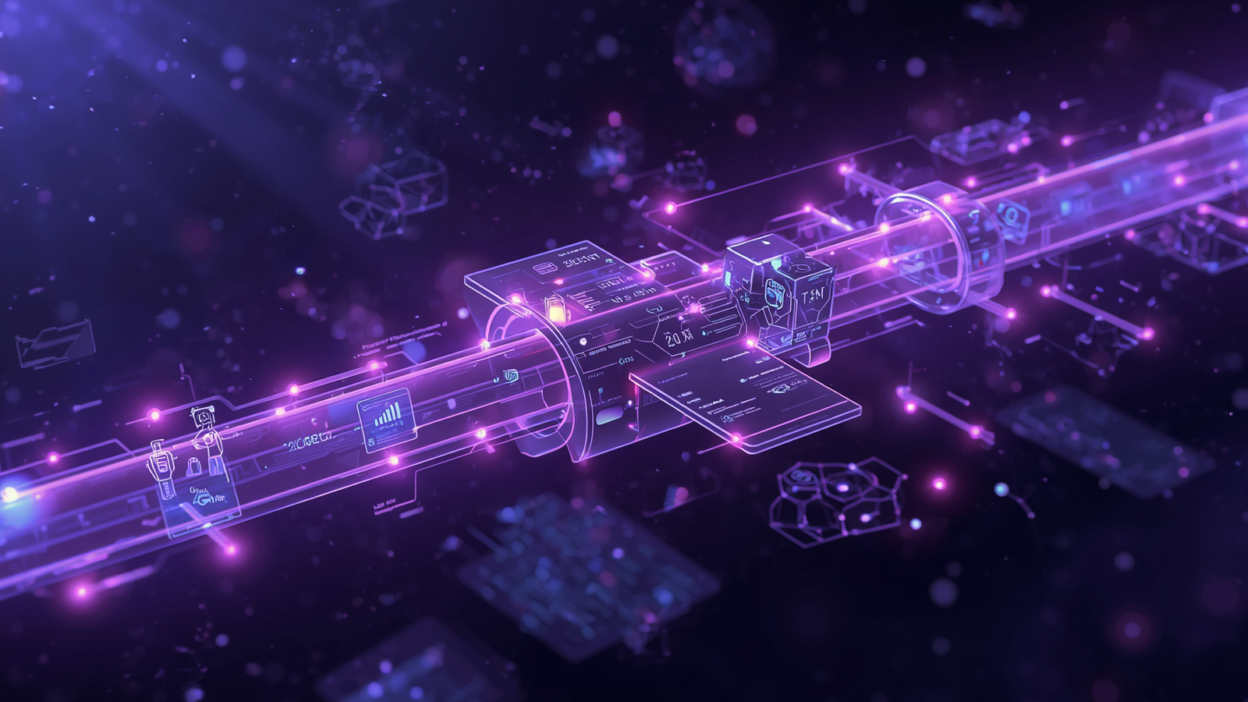
People expect a lot from businesses these days. They do not like it when they get the messages as everyone else. They want things that’re just for them. They want to be able to talk to businesses away and get offers that make sense for them. They want to be able to interact with businesses in lots of ways and have it all work together smoothly. To do this businesses are using something called marketing automation.
Marketing automation is when businesses use software to do tasks that they used to have to do by hand. This includes sending emails posting on media figuring out who their customers are and keeping track of how they are doing. Businesses use these tools to talk to their customers at the time and send them messages that are just for them.
Customer engagement is really important for businesses to be successful. When customers are engaged they are more likely to buy things come back and buy again and tell their friends about the business.. It is hard to keep customers engaged all the time without some help.
Marketing automation helps businesses do this. It makes sure that customers get the messages at the right time. It helps businesses talk to their customers in a way that makes sense for them based on what they like and what they are doing. Marketing automation is a help to businesses because it lets them deliver the right message to the right customer at the right time, which is what marketing automation is all, about and that is why businesses use marketing automation.
What Is Marketing Automation?
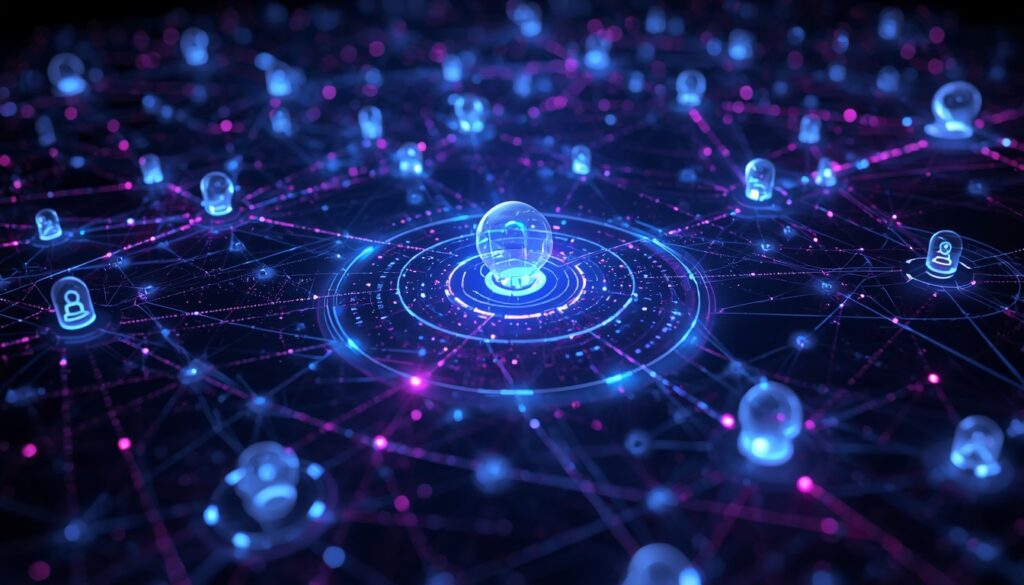
Marketing automation is a way to use software to make repetitive marketing tasks easier and manage how you talk to customers across channels.
It helps businesses make their workflows smoother target the people and engage with customers better.
Key Features
- Automated campaign management
- Customer behavior tracking
- channel communication
- Personalized marketing workflows
Types of Marketing Automation Systems
- Email Marketing Automation: This automates email campaigns that are personalized based on what users do.
- Social Media Automation: This. Manages posts on social media platforms.
- Customer Journey Automation: This tracks and responds to customers as they go through stages.
How Marketing Automation Enhances Customer Engagement
Marketing automation makes customer engagement better by making sure customers get messages that’re relevant, to them at the right time. Marketing automation uses information to make communication personal and keeps customers engaged.
Key Features
- Real-time personalization
- Behavior-based messaging
- Automated customer interactions
- response rates
Impact of Marketing Automation on Engagement
| Automation Feature | Customer Engagement Benefit |
|---|---|
| Email automation | Higher open rates |
| Behavioral tracking | Relevant messaging |
| AI personalization | Better user experience |
| Multi-channel campaigns | Consistent engagement |
Personalization as an Engaging Tool in Customer Relationship Management
One of the most efficient driving factors of engaging customers is personalization in contemporary marketing.
Marketing automation technology uses the information collected from the target audience to create personalized content, recommendations, and offers.
Main Characteristics
- Delivering personalized content
- Dynamic product recommendations
- Behavioral targeting techniques
- Increase of customer satisfaction
Categories of Personalization in Marketing Automation
- Behavioral Personalization: Is done according to user actions, such as clicking, making purchases.
- Demographic Personalization: Considers customer age, geographical location, preferences.
- Predictive Personalization: Uses artificial intelligence to predict user needs.
Ways to Enhance Customer Engagement through Email Automation
Email automation is one of the most popular tools used for marketing automation purposes.
Email automation helps companies create customized messages aimed at certain customer behavior and enhances engagement.
Main Characteristics
- Drip campaigns
- Email follow-ups
- Personalized content
- Higher conversion rate
Email Automation Use Cases
| Use Case | Engagement Outcome |
|---|---|
| Welcome emails | Strong first impression |
| Cart abandonment emails | Increased conversions |
| Re-engagement emails | Customer retention |
| Promotional emails | Higher sales |
Role of AI in Marketing Automation
AI adds value to marketing automation through data analysis and predictions on customer behavior.
AI helps companies become efficient in running their campaigns and improving engagement.
Features
- Predictive Analytics
- Customer Segmentation
- Campaign Optimization
- Insights into customer behavior
Types of AI in Marketing Automation
- AI Chatbots: AI chatbots provide customer support instantly.
- AI Recommender Systems: AI recommender systems recommend items according to customer behavior.
- AI Predictive Modeling: AI predictive modeling predicts the actions and preferences of customers.
Customer Journey Automation
Customer journey automation guarantees that your customers get the right messages at all stages of their customer journey.
Features
- Lifecyle Messaging
- Touchpoints Automation
- Enhanced customer retention
- Seamless customer communication flow
How Multi-Channel Automation Enhances Customer Engagement
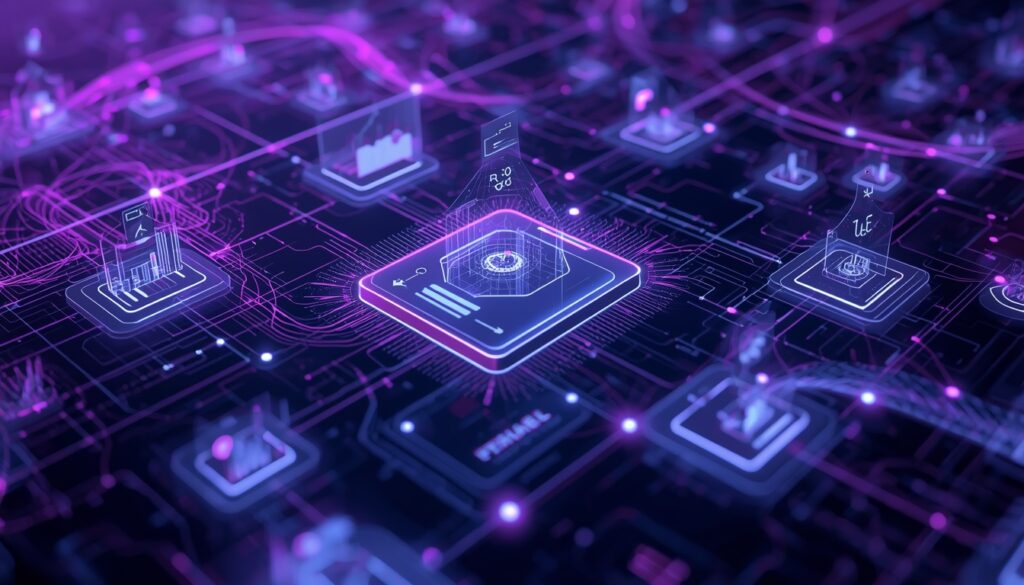
Customers engage with brands in different channels such as email, social media, SMS, and websites.
Marketing automation maintains messaging consistency in all channels.
Features
- Cross-Channel Consistency
- Communication strategy consistency
- Better customer experience
- Reach customers better
Multi-Channel Engagement Channels
| Channel | Engagement Type |
|---|---|
| Direct communication | |
| SMS | Instant alerts |
| Social media | Brand engagement |
| Website | Personalized experience |
The Importance of Lead Nurturing Automation
Lead nurturing automation is really helpful for businesses. It helps turn people who’re interested, in what you have to offer into people who actually buy from you. This happens because you are talking to them in a way.
It makes people trust you. It helps them move through the steps they need to take to buy something from you. Lead nurturing automation does this by building trust and guiding customers through the sales funnel.
Key Features
- Automated follow-ups are very useful
- Lead scoring systems are important
- You can send targeted messages to the people
- You will get conversion rates when you use lead nurturing automation. Lead nurturing automation really helps with this.
How Artificial Intelligence Improves Customer Engagement in Marketing
Artificial Intelligence is changing the way we do customer engagement by letting us personalize things in time and get insights that can help us make good guesses about what customers want.
Businesses are using Artificial Intelligence to learn about what customers do and send them marketing messages that’re really relevant to them. This helps get more people to engage with the business and actually buy things from them.
Key Features
- Real-time personalization
- Predictive engagement
- Automated decision-making
- Better customer insights
Role of Data Analytics in Marketing Automation
Data analytics is really important when it comes to making marketing automation work better.
It helps businesses learn about what customers do and see how well their campaigns are working. This information can then be used to make the campaigns more accurate and effective.
Key Features
- Customer behavior analysis
- Campaign optimization
- Performance tracking
- Data-driven decision-making
Why Customer Retention Matters More Than Acquisition
It is actually cheaper to keep the customers we already have than to try to get ones.
Marketing automation helps businesses keep their customers by sending them messages that’re just for them and reminding them about the business.
Key Features
- Cost- growth
- Loyalty building
- Personalized engagement
- Long-term revenue generation
Future of Artificial Intelligence-Powered Marketing Systems
In the future Artificial Intelligence-powered marketing systems will be able to work all by themselves without anyone having to tell them what to do.
They will be able to manage campaigns and make sure the right people are seeing the messages all on their own.
Key Features
- campaign management
- Artificial Intelligence-generated content
- Smart optimization systems
- Predictive marketing strategies
How Omnichannel Marketing Improves Engagement
Omnichannel marketing makes sure that customers have an experience, with the business no matter how they are interacting with it.
It combines all the ways that customers can talk to the business into one system so the messages are always the same and personalized for each customer.
Key Features
- customer experience
- Cross-platform integration
- Consistent messaging
- Higher engagement rates
Problems With Marketing Automation
Although marketing automation offers numerous advantages, there are problems associated with marketing automation.
These include difficulties with handling information and complications arising from the system itself.
Key Features
- Data management problems
- Complexity in the system
- Over-automating
- Gaps in personalization
Types of Marketing Automation Problems
- Inconsistent Data: Incorrect targeting results from poor data.
- No Strategy in Place: Marketing automation without strategy is not effective.
- Over-Automation: Too much automation makes customers less engaged.
Future Trends for Marketing Automation
There are specific trends that are set to determine the future of marketing automation.
These trends will be characterized by AI and customer insights in real time.
Key Features
- AI automation
- Hyper-personalization
- Autonomous marketing systems
- Predictive customer insights
Conclusion
Marketing automation is really important for getting customers involved in the world we live in today. It helps businesses talk to customers in a way at the right time and with the right message across many different channels and it saves a lot of manual work.
When businesses use intelligence, predictive analytics and information about what customers do they can build better relationships, with customers and get more people to buy from them.. To make this work they need a good plan, accurate information and to always be looking for ways to improve.
As technology gets better marketing automation will become even smarter. Businesses will be able to create marketing systems that are very personal and can work on their own. Companies that start using these technologies early will be ahead of their competitors when it comes to getting customers involved and growing their business in the long run. Marketing automation will keep playing a role in this.
1. What is marketing automation?
Marketing automation uses software to make marketing tasks easier. Helps businesses connect with customers better.
2. How does marketing automation improve engagement?
It sends messages that’re just right for each customer at the right time based on what they do and like. Marketing automation helps businesses engage with customers in a personal way.
3. What are the benefits of marketing automation?
The benefits of marketing automation include:
- More people engaging with your business
- More conversions from your marketing efforts
- Your marketing team can work efficiently
- Your marketing messages are more personalized to each customer
4. How does AI help marketing automation?
AI helps marketing automation by:
- Finding the customers for your business
- Figuring out what customers will do next
- Making sure your marketing campaigns are the best they can be
5. What is the future of marketing automation?
The future of marketing automation is, about using AI to make marketing fully automated, highly personalized and really effective. Marketing automation will keep getting better at helping businesses connect with customers.