


The age of third-party cookies is coming to an end making it necessary for businesses to change how they gather and use customer information. For B2B marketers this change is actually a thing.
Having a plan, for using first-party data is now crucial to establish trust enhance targeting and fuel steady growth. Businesses that adjust quickly are already experiencing engagement, better conversion rates and more dependable insights.
In this guide you will learn how to create a data plan that can grow with your needs and helps modern marketers get results.
What Is First-Party Data?
First party data is information collected directly from your audience through owned channels such as:
- Website interactions
- CRM systems
- Email subscriptions
- Product usage data
- Customer feedback
Unlike third-party sources, this data is accurate, privacy-compliant, and highly valuable.
Why First-Party Data is Important, in B2B Marketing
Here are the key benefits:
- Higher Data Accuracy. We get this straight from our audience.
- Privacy Compliance. It helps us follow the changing rules.
- Better Personalization. We can send messages that fit each channel.
- Improved ROI. Our targeting and campaigns work better with first-party data.
How to Build a First-Party Data Strategy
1. Look At The Data You Have
You need to figure out where all your data is right now.
This means checking your
- Website analytics
- CRM platforms
- Marketing automation tools
- Sales pipelines
This will help you see what is missing and what you can improve.
2. Make Places Where People Want To Give You Their Data
People are more likely to give you their data if they get something in return.
For example you can offer
- Gated content, like ebooks and whitepapers
- Free tools or calculators that people find
- Webinars and events that teach them something new
- Newsletter subscriptions that keep them informed
This way people will be happy to give you their data.
3. Implement Smart Tracking & Consent
With cookie restrictions increasing, focus on:
- Consent-based tracking
- Server-side tracking
- First-party cookies
- Transparent privacy policies
4. Centralize Your Data
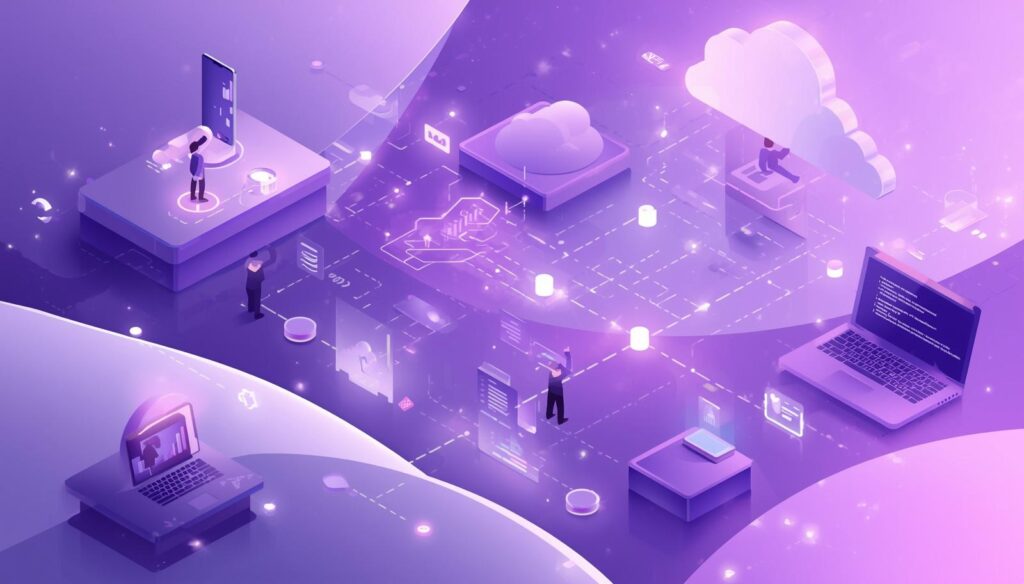
Use a Customer Data Platform (CDP) or CRM to unify your data.
Benefits include:
- Single customer view
- Better segmentation
- Improved campaign performance
5. Segment Your Audience Effectively
Break your audience into meaningful groups:
- Industry
- Company size
- Buying stage
- Behavior patterns
This enables precise targeting and messaging.
6. Activate Data Across Channels
Use your data to power:
- Email marketing campaigns
- LinkedIn ads
- Account-based marketing (ABM)
- Personalized website experiences
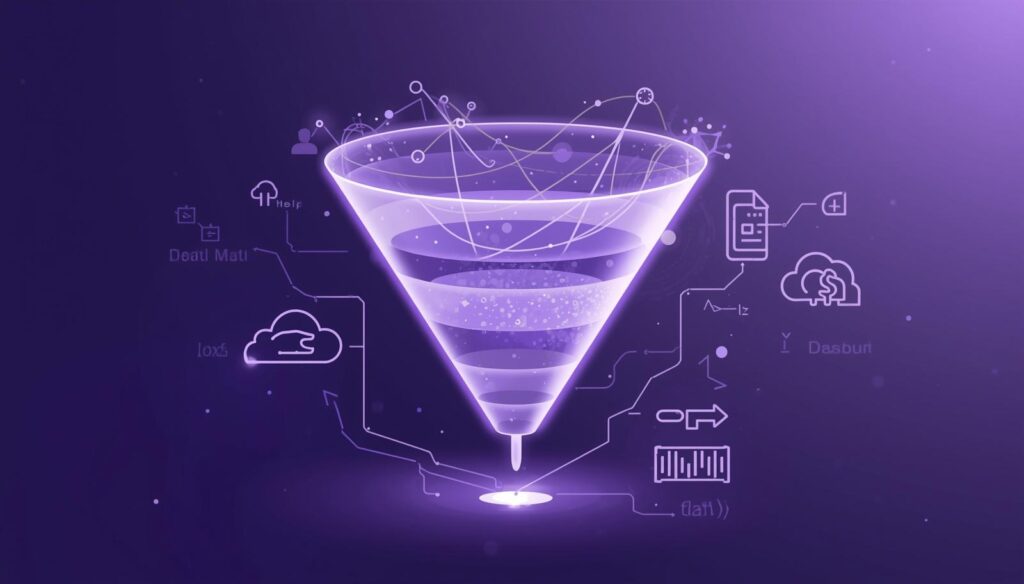
B2B Marketing Funnel with First-Party Data
| Funnel Stage | Goal | Data Strategy | Example Tactics |
|---|---|---|---|
| TOFU | Awareness | Collect basic user data | Blog content, SEO, lead magnets |
| MOFU | Consideration | Enrich and segment audience data | Webinars, email nurturing |
| BOFU | Conversion | Use intent and behavioral data | Demos, case studies, sales outreach |
High-Impact Use Cases
1. Personalized Email Campaigns
Use behavioral data to send targeted emails that increase engagement.
2. Account-Based Marketing (ABM)
Leverage firmographic data to target high-value accounts.
3. Website Personalization
Display dynamic content based on user behavior and preferences.
Challenges to Consider
- Data silos across tools
- Integration complexity
- Maintaining data quality
- Ensuring compliance
Future of First-Party Data in B2B
- Increased use of AI for data analysis
- Greater focus on privacy-first marketing
- Growth of zero-party data (user-provided insights)
- Deeper integration with sales and customer success
Conclusion:
Building a first party data strategy is really important now. It is necessary for companies to have this in a world without cookies. Companies that focus on owning their data making things personal for their customers and keeping their information private will be better than their competitors.
When you make a plan that works with the way you market to people and use the tools you can make your customers happy and help your company grow over time. First party data is key, to making this happen. By using party data in the right way companies can make a big difference.
FAQS
1. What is a first-party data strategy?
A first-party data strategy is a plan to collect and use data from people who visit your website or use your services. You get this data directly from them through your channels like your website, customer management systems and email services.
2. Why is first-party data important now that cookies are going away?
Since cookies are being phased out companies need to use first-party data to make sure they can still target the people make personalized messages and run successful campaigns while following privacy rules.
3. How do companies that sell to businesses collect first-party data?
These companies collect data in a few ways:
- Website forms and landing pages
- Gated content like ebooks and whitepapers
- Webinars and events
- Email subscriptions
- Interactions with customers and sales teams
4. What tools do companies use for a first-party data strategy?
Some common tools include:
- Customer management systems like Salesforce and HubSpot
- Customer Data Platforms
- Marketing automation tools
- Analytics platforms
5. How does first-party data help companies find customers?
First-party data helps companies understand what people do on their website, group them based on similar interests and send them messages that are just right for them. This results in finding quality potential customers and getting more of them to actually buy something from the company. First-party data is really important for this because it gives companies the information they need to make decisions, about who to target and how to reach them.